

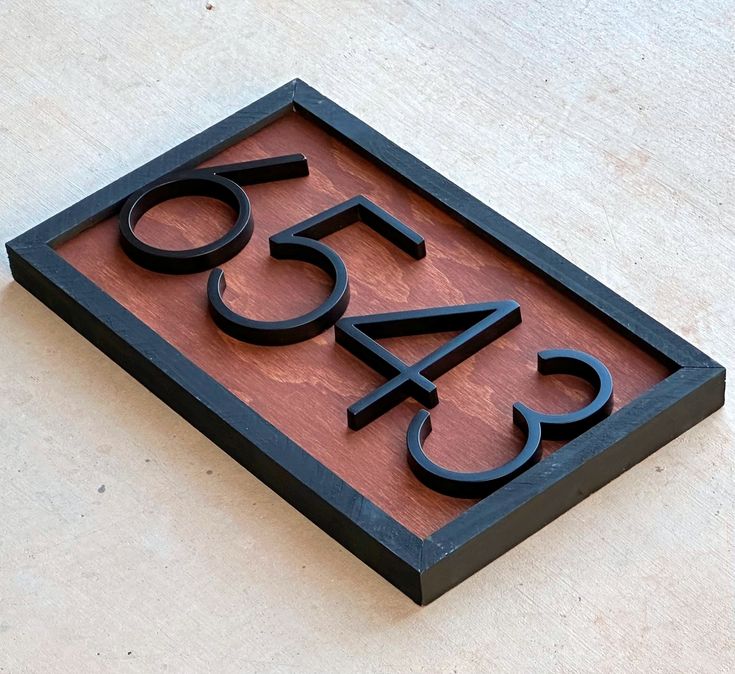
Winter across Canada presents a severe test of structural durability rather than a simple seasonal shift. Extreme environmental conditions challenge every exterior home fixture, from freezing temperatures to heavy snowfall. Therefore, your critical property identification remains highly vulnerable to these elements.
A clear and visible address remains essential for several crucial reasons:
- Emergency services require clear numbers to navigate neighborhoods safely during an urgent medical crisis or fire outbreak.
- Delivery drivers, couriers, and postal workers depend on accurate markers to complete daily shipments without errors.
- Personal guests need reliable visual guidance to locate your entrance safely during dark winter nights.
Many homeowners overlook the technical quality of their outdoor displays when upgrading their property. Selecting cheap house number signs may seem like a practical, cost-saving option at first, but low-quality retail materials often fail when you need them most. Harsh Canadian seasonal shifts regularly destroy substandard exterior products. Consequently, this rapid physical deterioration creates major safety hazards.
How Harsh Canadian Winters Damage Cheap Signs
Finding a home in a crisis requires rapid navigation. However, sub-zero weather quickly breaks down low-grade exterior signage. Exposure to rapid temperature drops forces cheap retail materials to undergo irreversible structural damage.
Cracking and Breaking in Extreme Cold
Winter temperatures across Canadian provinces regularly drop well below freezing points. Northern regions frequently experience severe drops to -30°C or lower. Budget polymers and cheap plastics lose their natural flexibility under these extreme seasonal conditions. Cold environments cause the internal molecular structure of standard plastics to stiffen. The material becomes highly brittle within weeks. Then, it snaps under the slightest mechanical impact from wind or ice.
Freeze-Thaw Cycles and Material Splitting
The constant freeze-thaw cycle creates a highly destructive force for basic outdoor plastics. Melted snow and ambient daytime moisture seep into tiny microscopic cracks within thin backings or laminated layers. Trapped water freezes and expands significantly when the temperature drops again at night. Afterward, this internal pressure splits the sign base apart.
Road Salt Corrosion and Weakened Glues
Salt applications on roads and municipal sidewalks frequently splash onto front yards. Indeed, this chemical exposure accelerates material wear. High salinity levels cause rapid rust and pitting in low-grade steel frames. Furthermore, heavy moisture combined with freezing air forces cheap assembly glues to crystallize. A loose decorative piece falls off entirely.
Common Materials That Fail in Winter Weather
Many retail products lack the engineering required to withstand severe Canadian elements. Therefore, you must understand the specific vulnerabilities of common budget materials to prevent premature failures on your property.
Low-Quality Plastics
Standard polymers offer minimal resistance to extreme outdoor weather shifts. These economy plastics degrade quickly over time. These suffer from severe blotchy discoloration, and they fracture easily when you expose them to constant sub-zero temperatures.
Thin, Low-Grade Metals
Economy variants often utilize thin aluminum alloys or untreated raw sheet metals. These cheap metals lack structural strength. They easily bend, warp, and buckle under the heavy physical weight of ice accumulation.
Vinyl Stickers and Prints
Budget options that rely on stick-on digits suffer significantly from moisture infiltration along the borders. First, freezing winter wind compromises the adhesive edges. Then, the numbers lift, curl, and completely detach from the base plate.
Visibility Issues Caused by Snow and Poor Design
A durable build satisfies only half of your winter safety requirements. Heavy snowfall also introduces major visual obstructions. Thus, snow can render poorly designed house number signs completely invisible to passing vehicles.
Obstruction from Snowbanks and Accumulation
Improperly mounted signage setups remain highly vulnerable to heavy snow accumulation during blizzards. Low-mounted numbers or basic ground stakes quickly disappear under clearing piles or roadside snowbanks. Unfortunately, this blockage hides your address from passing emergency vehicles.
Fading and Sun Reflection
Accumulated snow acts as a massive natural mirror. It reflects intense sunlight and significantly increases UV exposure during daytime hours. This intense environmental glare causes cheap paints and printed finishes to fade much faster than expected. Hence, it drastically reduces the visual contrast of your numbers.
Lack of Nighttime Reflectivity
Many budget signs lack industrial retroreflective coatings on the lettering or background surface. Standard non-reflective paint blends into the dark environment during heavy winter snowstorms. This lack of visibility makes it nearly impossible for first responders to read your address from a safe distance.
Safety Risks of Hidden Address Information
An invisible or damaged address plaque creates a serious domestic safety risk for your household. Hidden numbers also lead to missed postal deliveries, misrouted couriers, and unnecessary confusion for nighttime visitors. Therefore, you must ensure your home remains instantly recognizable. This serves as a critical protective measure during severe winter weather.
Signs Your Current Sign Is Not Winter-Proof
Property owners should check for clear warning signs before the heavy snow arrives. You can determine if an exterior setup can survive the upcoming seasonal shift through simple observation:
- The face plate shows hairline cracks, brittle edges, or blotchy discoloration.
- Numbers remain difficult to read clearly from the middle of the street during twilight hours.
- These mounting structures feel loose, unstable, or shifts easily during high winds.
- The borders display visible rust streaks, peeling laminate, or separating layers.
What Makes a House Number Sign Winter-Resistant
You must look for specific engineering features when shopping for a permanent house number sign. This research helps you secure a long-term performance standard.
- Premium Materials: Choose thick marine-grade aluminum, high-grade stainless steel, or specialized high-impact acrylics. These materials maintain structural integrity in sub-zero climates.
- Weatherproof Protective Coatings: High-quality options feature specialized UV-resistant finishes to stop sun fading. They also use industrial anti-corrosion layers to lock out salt moisture.
- Reflective or Backlit Engineering: Prioritize industrial retroreflective backing sheetings or integrated LED backlighting. These features ensure maximum legibility through heavy fog, snowstorms, and pitch-black nights.
- Mechanical Mounting Hardware: Reliable units rely on durable stainless steel screws and wall anchors. You should avoid double-sided tape or exterior glues if you want to ensure a permanent hold on your wall.
Smart Placement Tips for Canadian Properties
Even the highest-grade house number sign requires strategic installation to remain functional year-round. Ensure your display sits mounted at eye level or higher on your property structure. This elevation keeps the text completely clear of ground-level snow drifts.
Position the installation directly facing oncoming traffic. Then, verify that the numbers remain clear of low-hanging tree branches. Trees often droop under the weight of winter ice and if your building sits far back from the roadway. Always place a secondary, weather-resistant sign at your primary driveway entrance. This secondary placement guides emergency vehicles accurately.
Cost vs. Value: The True Price of Cheap Displays
Economic entry signs look like an easy way to save money at first glance. However, cheap signs require frequent replacements every one or two seasons due to harsh weather. These constant replacements accumulate much higher overall costs over time compared to a single quality purchase. Investing once in a premium, resilient build eliminates recurring maintenance issues. This smart choice ensures long-term structural safety and delivers genuine peace of mind throughout the harshest Canadian winters.
Conclusion
Canadian winters create extreme conditions that can damage many outdoor features. Many low-cost options use poor-quality plastic that can crack during extreme cold, while faded numbers become difficult to spot once snow starts to build up. A durable, weather-resistant house number sign provides a dependable solution for Canadian conditions. Clear and visible numbers help people locate your home in every season, including periods of heavy snow and poor weather.
FAQs
What is the most durable house number sign material for Canadian winters?
Marine-grade aluminum and thick acrylic represent the best options for cold climates. Aluminum provides 100% rust-proof performance and will not warp.
Will standard reflective tape survive outdoor sub-zero temperatures?
No. Cheap adhesive tape and vinyl stickers quickly freeze. Then, they lose their chemical grip and peel off due to winter moisture.
How high should I mount my house sign to avoid winter snow blockages?
Mount your sign at eye level or higher. You should aim for at least 4 to 5 feet (1.2 to 1.5 meters) off the ground.
Can road salt damage my house number display?
Yes. Road salt causes rapid rust and severe corrosion on low-grade metals like standard steel. A high-quality house number sign features an anti-corrosion protective layer to block salt and moisture damage completely.